
學習中文字難嗎? Is it difficult to learn Mandarin (Chinese) Traditional Character?
- Hui chun Chun
- Nov 25, 2021
- 4 min read

我常常聽到有人在問,中文字很難學也很難寫,尤其是繁體字。每個字的筆劃很多(但也有簡單的阿)。
wǒ chángcháng tīngdào yǒurén zài wèn, zhōngwén zì hěn nán xué yě hěn nán xiě, yóuqí shì fántǐ zì. Měi gè zì de bǐhuà hěnduō (dàn yěyǒu jiǎndān de ā).說真的,在我小時候讀小學時上國語課,我也感同身受。明明英文一個like 單字可以這麼簡短,但中文卻是要寫超多筆畫 "喜歡"。
shuō zhēn de, zài wǒ xiǎoshíhòu dú xiǎoxué shí shàng guóyǔ kè, wǒ yě gǎntóngshēnshòu. Míngmíng yīngwén yīgè like dānzì kěyǐ zhème jiǎnduǎn, dàn zhōngwén què shì yào xiě chāo duō bǐhuà"xǐhuān".沒錯,兩個字加起來要超過34畫。小時候的練習本上滿滿的塗改,寫了再改,改了再寫,為了就是追求完美與漂亮 (好啦,也是想得到老師給的評分"甲上上")。不知不覺當中,練習寫字已經成為我生命中的一部份,只要我手一拿到筆,我的寫字狂就會不自覺上身,不斷地寫,不管醜或是美。尤其是在我拿起電話與人開始聊天時,我的手就不曾間斷,只要聊天裡出現我喜歡的字,我並反覆不斷寫直到出現下一個新的字。
méicuò, liǎng gè zì jiā qǐlái yào chāoguò 34 huà. Xiǎoshíhòu de liànxí běn shàng mǎn mǎn de túgǎi, xiěle zài gǎi, gǎile zài xiě, wèile jiùshì zhuīqiú wánměi yǔ piàoliang (hǎo la, yěshì xiǎngdédào lǎoshī gěi de píngfēn"jiǎ shàng shàng"). bùzhī bù jué dāngzhōng, liànxí xiě zì yǐjīng chéngwéi wǒ shēngmìng zhòng de yī bù fèn, zhǐyào wǒ shǒu yī ná dào bǐ, wǒ de xiě zì kuáng jiù huì bù zìjué shàngshēn, bùduàn de xiě, bùguǎn chǒu huò shì měi. Yóuqí shì zài wǒ ná qǐ diànhuà yǔ rén kāishǐ liáotiān shí, wǒ de shǒu jiù bùcéng jiànduàn, zhǐyào liáotiān lǐ chūxiàn wǒ xǐhuān de zì, wǒ bìng fǎnfù bùduàn xiě zhídào chūxiàn xià yīgè xīn de zì.習慣很重要,因為它將會變成持之以恆,並且不在排斥它。很多時候,在你最排斥某項事情或是事物往往最後會變成你最佳的習慣或是陪伴。一句諺語說得好,頭過身就過。當你拿起筆寫中文那一瞬間,距離你成功學習中文那一步更加貼近了。
xíguàn hěn zhòngyào, yīnwèi tā jiāng huì biànchéng chízhīyǐhéng, bìngqiě bùzài páichì tā. hěnduō shíhòu, zài nǐ zuì páichì mǒu xiàng shìqíng huò shì shìwù wǎngwǎng zuìhòu huì biànchéng nǐ zuì jiā de xíguàn huò shì péibàn. Yījù yànyǔ shuō dé hǎo, tóuguò shēn jiùguò. dāng nǐ ná qǐbǐ xiě zhōngwén nà yī shùnjiān, jùlí nǐ chénggōng xuéxí zhōngwén nà yībù gèngjiā tiējìnle.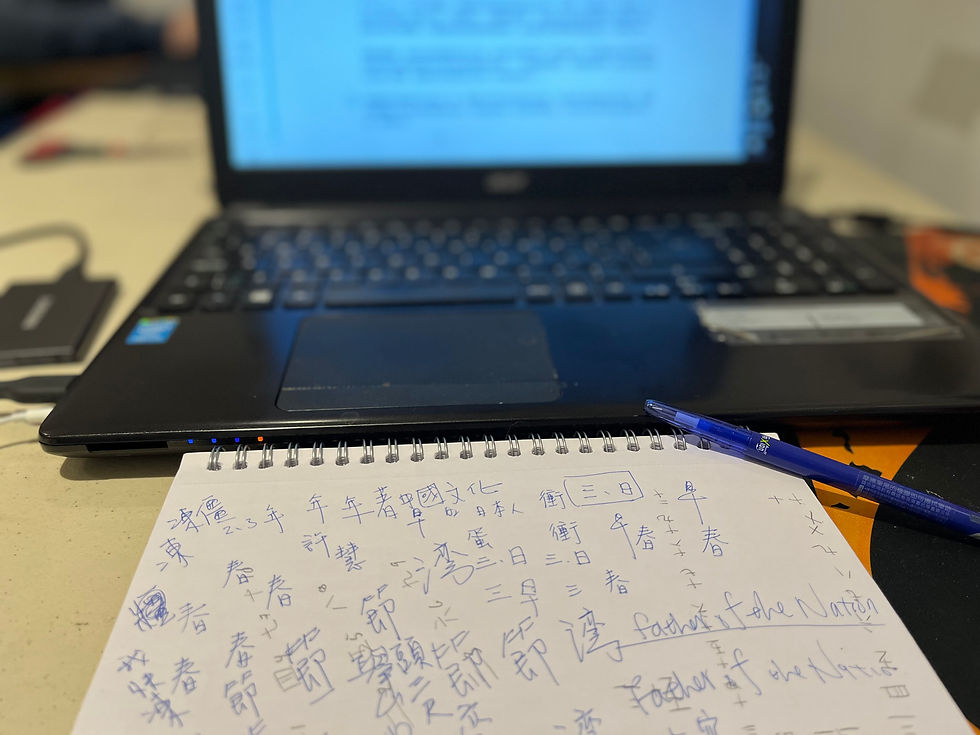
我鼓勵正在學習中文的每一位,學習中文字是件很好玩的事。如果你已經開始在學口說、閱讀但遲遲還不肯拿起來筆動手寫字,那從這刻起,試著改變想法,你也可以當作是在畫畫(有直線、橫線等等)。
wǒ gǔlì zhèngzài xuéxí zhōngwén de měi yī wèi, xuéxí zhōngwén zì shì jiàn hěn hǎowán de shì。 rúguǒ nǐ yǐjīng kāishǐ zài xué kǒu shuō, yuèdú dàn chí chí hái bù kěn ná qǐlái bǐ dòngshǒu xiě zì, nà cóng zhè kè qǐ, shìzhe gǎibiàn xiǎngfǎ, nǐ yě kěyǐ dàng zuò shì zài huà huà (yǒu zhíxiàn, héng xiàn děng děng。I often hear people asking that Chinese characters are difficult to learn and write, especially traditional characters. There are many strokes for each character (but there are also simple ones).
To be honest, when I was a child at elementary school, I took Mandarin classes, and I felt the same way. Obviously, a word "like" in English can be as short as that, but in Chinese, you have to write a lot of strokes "喜歡".
That's right, the two characters add up to more than 34 strokes. The exercise book when I was young was full of alterations. I wrote it and then changed it, and wrote it again, in order to pursue perfection and beauty (well, I also want to get the teacher’s grade "A++"). Before I know it, practicing writing has become a part of my life. As long as I have a pen in my hand, my writing mad will unconsciously go up and write continuously, regardless of ugliness or beauty. Especially when I picked up the phone and started chatting with someone, my hand never stopped. As long as the word I like appeared in the chat, I kept writing until the next new word appeared.
Habit is important because it will become perseverance and will no longer reject it. In many cases, when you reject something or something you most often end up becoming your best habit or companionship. A proverb says it well, just pass the head over. The moment you pick up a pen to write Chinese is closer to the step where you successfully learn Chinese.
I encourage everyone who is learning Chinese. Learning Chinese characters is a very fun thing. If you are already learning to speak and read, but you still refuse to pick up the pen and write by hand, from this moment on, try to change your mind. You can also treat it as drawing (straight lines, horizontal lines, etc.)
Comments